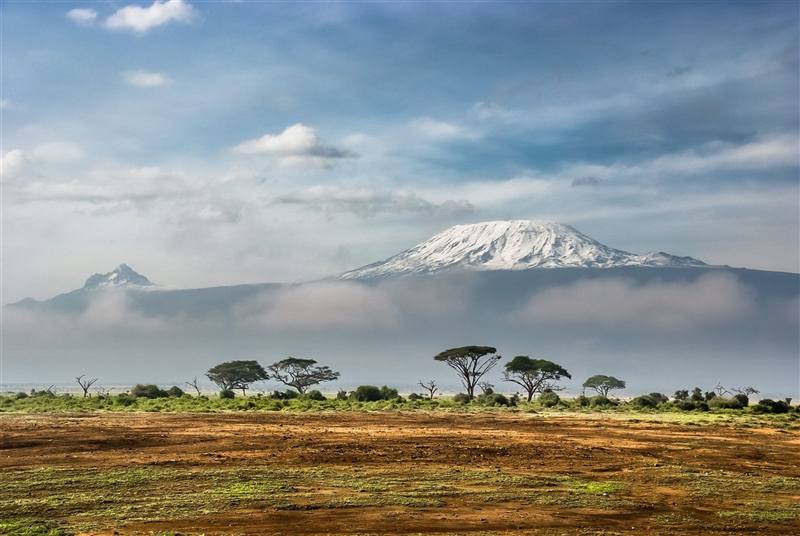
If you are weighing up Serengeti vs Ngorongoro vs Tarangire, here is the short answer. They are not rivals. Each park does a different job, and they sit along the same road west of Arusha, so most northern Tanzania safaris combine two or all three.
If you have six days or more, see all three. If you have four days, Tarangire and Ngorongoro Crater make a strong trip without the long drive to the Serengeti. If the Great Migration or big cats on open plains are the reason you are coming, the Serengeti is the one you cannot skip, and it needs at least two full days.
The rest of this guide explains why, with the practical details we use when we plan trips from our base in Arusha.
Serengeti vs Ngorongoro vs Tarangire at a glance
| Serengeti | Ngorongoro Crater | Tarangire | |
|---|---|---|---|
| Best known for | Great Migration, big cats, endless plains | Dense wildlife in a volcanic caldera, black rhino | Large elephant herds, baobab trees |
| Size | About 14,763 sq km | Crater floor about 260 sq km, inside a conservation area of about 8,292 sq km | About 2,850 sq km |
| Drive from Arusha | A full day by road, usually broken up with other parks | About 3 to 4 hours to the gate | About 2 hours |
| Time needed | 2 to 4 nights | One game drive of about half a day | 1 day, or 2 in dry season |
| Best months | All year, the area changes with the herds | All year | June to October |
| Feels like | Huge, wild, far from everything | Compact and busy, wildlife everywhere | Quiet, green or golden, river country |
Drive times are typical figures for good conditions. Rain, road works and wildlife on the road can all add time.
The Serengeti: space, cats and the migration
The Serengeti is the big one. At roughly 14,763 square kilometres, it is larger than some countries, and it is the main stage for the Great Migration, when well over a million wildebeest plus zebra and gazelle move around the ecosystem through the year following rain and fresh grass.
Even without the migration in front of you, the Serengeti has resident wildlife all year. The central Seronera area is known for lion, leopard and cheetah, and the open plains make animals easier to spot and follow than in thicker bush.
What you should know before you commit:
- It is far. From Ngorongoro Crater to central Serengeti is about 140 km on rough gravel, usually 3 to 4 hours with stops. One night is not enough to justify the journey.
- Where you stay matters. The herds are in the south around Ndutu early in the year and in the north around the Mara River in the middle of the year. A camp in the wrong area can mean hours of driving. Our month by month migration guide explains where to be and when.
- It costs more. Park fees are higher here than at Tarangire, and lodges inside the park carry an extra nightly concession fee.
Choose the Serengeti if you want the classic open savannah, big cats, or the migration. Give it two full days as a minimum. Three or four is better.
Ngorongoro Crater: the most wildlife in the least time
Ngorongoro Crater is the floor of a collapsed volcano, about 600 metres below the rim and roughly 260 square kilometres across. Because there is water and grass all year, many animals stay inside the crater permanently. In a single morning it is realistic to see lion, elephant, buffalo, hippo, hyena, zebra, wildebeest and flamingos on the soda lake.
The crater is also the most reliable place on the northern circuit to look for black rhino. Sightings are common but often distant, and never guaranteed. You will not find giraffe on the crater floor, although you may see them elsewhere in the conservation area.
The trade-offs are simple. The crater is small and popular, so you share it with other vehicles, especially from June to October and around Christmas. Time on the floor is limited by the authority's rules, which is why a visit is normally one long morning or afternoon and not several days. And the crater carries a separate per-vehicle descent fee on top of the per-person conservation fee, which makes it the most expensive single game drive in the north.
It is still worth it for most first-time visitors. Nothing else packs so much into half a day, and the view from the rim is something you will remember on its own.
One note on names. The crater sits inside the Ngorongoro Conservation Area, which is managed by the Ngorongoro Conservation Area Authority (NCAA), not by Tanzania National Parks. The road to the Serengeti runs through it, so you pass the crater rim on the way whether you descend or not.
Tarangire: elephants, baobabs and breathing room
Tarangire is the park people underestimate. It covers about 2,850 square kilometres and is only around two hours from Arusha, mostly on tarmac, which makes it an easy first or last stop.
In the dry season, roughly June to October, the Tarangire River is one of the few reliable water sources in the wider area. Elephants gather in herds that can number in the hundreds, along with buffalo, zebra, wildebeest, giraffe and the predators that follow them. The landscape is different from the Serengeti too, with rolling hills and huge baobab trees.
In the green months, from about November to May, many animals spread out beyond the park and the grass is long, so sightings take more patience. Birdlife is excellent at that time, and the park is very quiet.
Choose Tarangire if you love elephants, want a gentler first day after a long flight, or are travelling between June and October.
What about Lake Manyara?
Lake Manyara National Park sits between Tarangire and Ngorongoro, about two hours from Arusha. It is small, forested and good for birds, baboons, hippos and elephants. It is famous for tree-climbing lions, but they are seen only occasionally, so do not plan around them.
Manyara works well as a half-day stop on the way to the crater, and it is the easiest park for a day trip from Arusha.
Which parks should you pick? By trip length
- 1 day: Tarangire, Lake Manyara or Arusha National Park as a day trip from Arusha.
- 3 to 4 days: Tarangire, Ngorongoro Crater and Lake Manyara. Our 4-day Safari Escape follows this route, from $950 per person.
- 5 to 6 days: Add the Serengeti. Our 6-day Grand Northern Safari covers Tarangire, two full days in the Serengeti and the crater, from $1,600 per person.
- 7 to 9 days: More time in the Serengeti, ideally in two different areas. Our 9-day Great Migration Adventure uses two Serengeti bases plus Ngorongoro, from $2,250 per person.
Prices are "from" rates per person in USD with two people sharing. Your final quote depends on season, accommodation level and group size. You can see every route on our safaris and prices section, and our guide to how many days you need for a Tanzania safari goes deeper on pacing.
Which parks should you pick? By what you want to see
- The Great Migration: Serengeti, in the right area for your month. Around Ndutu from about January to March for calving season.
- Big cats: Serengeti first. The crater is good for lion.
- Elephants: Tarangire, especially June to October.
- Black rhino: Ngorongoro Crater gives you the best chance.
- A short trip with a lot of wildlife: Ngorongoro Crater plus Tarangire.
- Fewer vehicles: Tarangire, or the Serengeti away from the central area.
A note on park fees
Park fees are a large part of any Tanzania safari price. At the time of writing, non-resident adults pay roughly $60 to $85 per person per 24 hours depending on the park and season, taxes included, with the Serengeti at the top of that range. The crater descent fee is about $295 per vehicle, and overnight concession fees are added for lodges and camps inside the parks.
These fees are set by the government and reviewed from time to time, so check the official Tanzania National Parks and Ngorongoro Conservation Area Authority websites for current tariffs. All park and conservation fees are included in our safari prices, so you do not pay them at the gate. Our Tanzania safari cost guide breaks down where the money goes.
How we would plan it
Every Zuri safari is private, with your own vehicle and guide, so the order and pace are yours to set. As a rule, we like to start with Tarangire while you recover from the flight, go on to the Serengeti for the longest stay, and finish with the crater on the way back to Arusha. That order breaks up the long drives and saves a highlight for the end.
Tell us your dates and what you most want to see, and our founder Brenda will put together a route that fits. Request a free custom itinerary and we will reply with a plan and a clear quote.
Frequently asked questions
Is the Serengeti or Ngorongoro Crater better?
They do different things. The Serengeti is better for the migration, big cats and a feeling of space, and it needs at least two full days. Ngorongoro Crater is better for seeing a lot of wildlife in half a day and for a chance at black rhino. Most itineraries of five days or more include both.
Can I skip Tarangire?
You can, but we would think twice between June and October, when its elephant herds are at their best. It is also the closest major park to Arusha, so it adds wildlife without adding much driving. In the green season it is quieter and easier to leave out if you are short on time.
How many days do I need to see all three parks?
Six days is a comfortable minimum for Tarangire, the Serengeti and Ngorongoro Crater by road. It can be done in five, but you will spend more of your time driving between parks and less of it watching animals.
Can I see the Big Five in these parks?
Yes, across the three parks together. Lion, elephant and buffalo are common. Leopard are seen fairly often in the central Serengeti. Rhino are the hard one, and the crater is your best chance. No sighting is ever guaranteed.
Is Ngorongoro Crater too crowded?
It is busy in peak months because it is small and famous. Going down early in the morning helps a lot. We still think it earns its place on a first safari, but if crowds really bother you, tell us and we can balance it with quieter areas.
Which park is best for a first safari?
If you only have a few days, Tarangire and Ngorongoro Crater give you a lot of wildlife with manageable drives. If you have a week, add the Serengeti. It is the park most people picture when they think of a safari.
Tell us your dates and we will send a free, tailor-made itinerary.