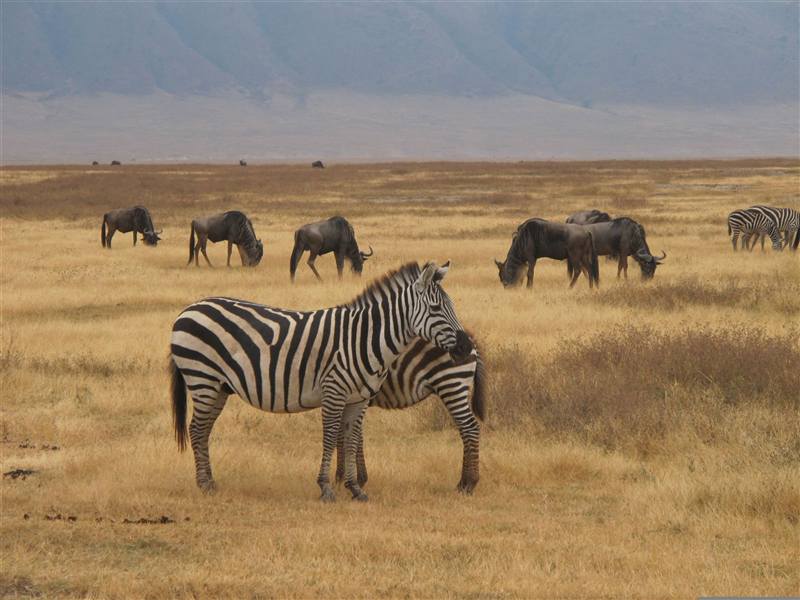
Is Tanzania safe for tourists? For most visitors on an organized safari, yes. The main safari areas of northern Tanzania, including the Serengeti, Ngorongoro and Tarangire, are far from the places that worry governments most, and a guided trip removes many of the risks an independent traveler faces. The most likely problems are ordinary ones: petty theft in towns, an upset stomach, or a long bumpy road.
That said, we would rather give you the full picture than a sales pitch. Tanzania had serious unrest around its October 2025 election, governments do publish cautions about crime and terrorism, and there are laws and customs here that differ from home. No destination can be called completely safe. This post explains what the official advice says, what the real day-to-day risks are, and what we do about them.
Please read your own government's current advice before you book and again before you fly. Things can change faster than a blog post.
What the official travel advisories say
US State Department
The US raised its Tanzania advisory to Level 3, "Reconsider Travel", at the end of October 2025 after the election unrest. In October 2026 it was widely reported that the advisory had been lowered back to Level 2, "Exercise Increased Caution", citing crime, terrorism and the targeting of gay and lesbian people, with a higher warning remaining for the Mtwara region near the Mozambique border. Check the current level on the State Department's Tanzania page.
For context, Level 2 is the same level the US gives many popular destinations in Europe.
UK Foreign Office
At the time of writing, the UK advises against all but essential travel only to areas within 20 km of the border with Mozambique's Cabo Delgado province, in the far south. It does not advise against travel to the rest of Tanzania, including the northern safari circuit, Kilimanjaro and Zanzibar. The UK travel advice for Tanzania is updated regularly and has a detailed safety and security page.
That southern border area is roughly a thousand kilometers by road from Arusha and the northern parks. Safari routes do not go near it.
Political unrest and demonstrations
Protests after the election on 29 October 2025 led to deaths and injuries on the mainland, and internet access was restricted for a time. The UK government says further demonstrations are possible, sometimes called for on public holidays.
What this means for you in practice:
- Avoid protests, rallies and large political gatherings, and leave if one starts nearby.
- Do not photograph or film protests. The UK government notes that taking or sharing images of protests and violence is illegal in Tanzania.
- Avoid political discussion in public and on social media while you are here.
- Keep key phone numbers written on paper in case mobile data is interrupted.
Safari itineraries spend nearly all their time in national parks and small rural towns, a long way from city centers where demonstrations tend to happen. If anything were to affect a route, we would change the plan and tell you why.
Crime: where the real risk is
Most crime that affects visitors happens in cities and busy beach areas, not in the parks. Official advice mentions bag snatching from passing motorbikes and cars, robbery, and, in Dar es Salaam, cases where tourists were forced to withdraw cash after getting into unlicensed taxis or going along with friendly strangers. The UK also notes incidents in Zanzibar's Stone Town and on tourist beaches, and has recently added advice about hotel room burglary.
Sensible habits go a long way:
- Do not walk alone after dark in Arusha, Dar es Salaam or Stone Town. Take a taxi arranged by your hotel or operator.
- Carry your bag on the side away from the road, and leave expensive jewelry at home.
- Carry a copy of your passport and keep the original locked away.
- Use ATMs inside banks or hotels in daylight.
- Lock your room door and windows at night, and use the safe.
- Be polite but firm with street touts selling safaris, SIM cards or tours.
On safari with us you are met at the airport, driven by your own guide and staying in lodges and camps with their own security, so you are rarely in the situations these warnings describe.
Is a Tanzania safari safe around wild animals?
Yes, when you follow the rules. Serious incidents involving tourists and wildlife are rare, and they nearly always involve someone ignoring instructions.
- Stay in the vehicle unless your guide says it is safe to get out. Animals see the vehicle as one large, uninteresting object. A person on foot is different.
- Keep your voice down and your arms inside near predators and elephants.
- Never walk around camp alone after dark. Many camps are unfenced, and staff will escort you between your tent and the dining area.
- Do not feed animals, including monkeys and baboons at picnic sites.
- Listen to your guide. Reading animal behavior is their job.
Our lead guide, David Urassa, has 28 years of guiding experience. Every Zuri safari is private, so your guide's attention is on your group alone.
Road safety
Honestly, roads are a bigger risk in Tanzania than lions. Official advice describes driving standards as poor and warns against driving outside towns at night. Public minibuses and motorbike taxis have poor safety records.
This is one of the best reasons to travel with a proper operator. We use safari vehicles driven by professional guides, we plan drives for daylight hours, and we do not rush. Wear your seat belt on main roads, and tell your guide if you ever want them to slow down. A good guide will not be offended.
Health
Health problems are far more common than crime. The main ones are malaria, stomach upsets, sun and dehydration.
- Talk to your doctor about malaria tablets and vaccines at least four to six weeks before travel.
- Drink bottled or filtered water. We provide bottled water in the vehicle.
- Use sunscreen and a hat. The sun at altitude is stronger than it feels.
- Buy travel insurance that includes emergency medical evacuation. Good hospitals are a long way from the parks.
We cover the medical side in Tanzania visa, vaccinations and entry requirements. For personal medical advice, your doctor and the CDC's Tanzania page are the right sources.
Is Zanzibar safe?
Zanzibar welcomes a great many visitors and most have a trouble-free stay. The same city rules apply in Stone Town and on quiet beaches at night. A few extra points:
- Zanzibar is mostly Muslim and conservative. Away from the beach and your hotel, cover shoulders and knees. The UK government notes that fines can be issued for inappropriate dress.
- During Ramadan, avoid eating and drinking in public during the day outside hotels and restaurants.
- For the crossing from the mainland, we suggest flying. Official advice warns about overloaded ferries.
See Zanzibar after safari for where to stay.
Solo travelers, women and families
Women travel in Tanzania on their own all the time, and a private safari with a guide is one of the easier ways to do it. Official advice does mention verbal harassment and cases of sexual assault, including at beach resorts, so take the same care you would anywhere: watch your drink, do not walk alone at night, and use transport arranged by people you trust.
Families do very well here. Tanzanians are warm with children, and a private vehicle lets you set your own pace. Our guide to a Tanzania family safari with kids has more.
LGBTQ travelers
We want to be straightforward about this. Same-sex sexual activity is illegal in Tanzania, including Zanzibar, and both the US and UK governments flag it in their advice. Public displays of affection, by any couple, are not part of local culture and for same-sex couples could lead to serious trouble.
LGBTQ travelers do visit Tanzania and go on safari. Lodges are used to guests of every kind and your privacy in your own room and vehicle is respected. But discretion in public is necessary, and you should read the official advice and decide what you are comfortable with.
Laws and customs that surprise visitors
- Plastic bags are banned. Leave carrier bags at home.
- Drug laws are severe. The UK notes that even CBD products are illegal.
- Ask before photographing people, and never photograph government or military buildings.
- Greet people. A simple "jambo" or "habari" before a question is good manners and is always appreciated.
How to choose a safe safari operator
The UK government advises using reputable operators and avoiding street touts. We agree. Before you pay anyone, ask:
- Are you licensed, and can I see the license?
- Is the vehicle private, and who is the guide?
- Are park fees included?
- Who do I call if something goes wrong at 2 am?
For our part, Zuri Elite Safaris is Tanzanian owned, based in Arusha and licensed by the Tanzania Tourism Board. Our founder, Brenda Nnko, plans every trip personally, and our Arusha team is reachable 24 hours a day while you are in the country.
Talk it through with us
If you have a specific worry, whether it is traveling solo, bringing children or the latest news, ask us directly through our contact section and you will get an honest answer from people who live here. When you are ready, request a free custom itinerary and we will plan a route around your dates and comfort level.
Frequently asked questions
Is Tanzania safe for American tourists right now?
Most American visitors on organized safaris have trouble-free trips. The US State Department was reported to have lowered its advisory to Level 2 in October 2026, after raising it in late 2025. Check the current level on travel.state.gov before booking and before flying.
Is it safe to go on safari in the Serengeti?
Yes. The Serengeti is a protected national park far from cities and border trouble spots. The main rules are to stay in the vehicle unless your guide says otherwise, follow camp escort rules at night, and listen to your guide.
Is Tanzania safe for solo female travelers?
Many women travel here alone, and a private guided safari is a comfortable way to do it. Take normal precautions in towns and at beach resorts, such as not walking alone at night and using transport arranged by your hotel or operator.
Is Arusha safe for tourists?
Arusha is a busy working town and the start of most safaris. By day, the center is fine with ordinary care. After dark, use a taxi arranged by your hotel instead of walking, and keep phones and bags out of easy reach.
Which parts of Tanzania should tourists avoid?
Governments warn against travel near the border with Mozambique's Cabo Delgado province in the far south, in the Mtwara region. This is a very long way from the northern safari circuit, Kilimanjaro and Zanzibar.
Do I need travel insurance for Tanzania?
Yes. Tanzania now requires a government inbound insurance policy for foreign visitors, and you should also have your own policy with medical evacuation and cancellation cover. Check that it remains valid under your government's current travel advice.
Tell us your dates and we will send a free, tailor-made itinerary.


